
Overuse injuries are a common concern for athletes and active individuals in Singapore, where sports and fitness are integral to many lifestyles. These injuries occur when repetitive strain is placed on specific muscles and joints, leading to conditions such as tendonitis, stress fractures, and plantar fasciitis. Without proper treatment, they can worsen over time, impacting performance and daily activities. This article explores the importance of sports performance physiotherapy and the crucial role it plays in managing and recovering from these injuries, helping individuals regain strength, reduce pain, and prevent future issues.
Identifying and Diagnosing Overuse Injuries

The first step in overuse injury rehabilitation is proper diagnosis. Sports physiotherapists specialise in assessing repetitive strain injuries, identifying their root causes, and developing targeted treatment plans. Factors such as improper movement patterns, muscle imbalances, and excessive training loads contribute to these injuries.
For instance, physiotherapy for tendonitis focuses on evaluating the affected tendon, understanding movement inefficiencies, and determining the best course of action to reduce strain. Similarly, ankle physiotherapy examines foot mechanics and gait patterns to address the underlying cause of heel pain. A detailed assessment allows physiotherapists to create personalised recovery plans tailored to each patient’s specific needs.
Reducing Pain and Inflammation

Pain and inflammation are common symptoms of overuse injuries, making early intervention essential. Sports physiotherapy techniques such as manual therapy, ice/heat application, and targeted stretching exercises help alleviate discomfort and promote healing.
A rehab physiotherapist may use soft tissue mobilisation to reduce muscle tightness, helping to relieve pain and improve circulation. In cases of acute inflammation, cryotherapy (cold therapy) can be applied to manage swelling, while heat therapy aids in muscle relaxation and recovery. These approaches ensure that patients remain comfortable and able to continue daily activities whilst undergoing athletic injury treatment.
Developing Strength and Flexibility
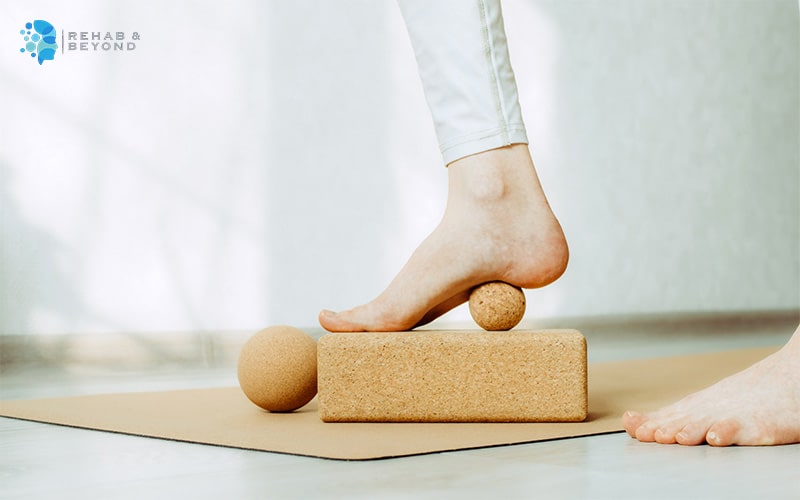
Overuse injuries often weaken or tighten specific muscle groups, limiting mobility and increasing the risk of further injury. Sports physiotherapy incorporates strength and flexibility exercises to restore balance, enhance muscle function, and prevent recurrence.
For example, in plantar fasciitis physiotherapy, targeted stretching and strengthening exercises are prescribed to support the arch and improve foot mechanics. Likewise, physiotherapy for tendonitis includes eccentric strengthening exercises, which help the affected tendon adapt to increased loads without becoming inflamed. By improving flexibility and building resilience, athletes can safely return to their activities with a lower risk of reinjury.
Teaching Proper Techniques to Avoid Re-Injury

A crucial aspect of sports performance physiotherapy is education. Many overuse injuries stem from incorrect form, poor biomechanics, or insufficient recovery periods between training sessions. A rehab physiotherapist works closely with patients to correct these issues and develop sustainable habits.
For instance, runners prone to such injuries may undergo gait retraining, which helps optimise their running technique and reduce stress on joints. Athletes involved in strength training may receive guidance on proper lifting techniques to prevent tendonitis or muscle strain. These preventive measures not only aid in overuse injury rehabilitation but also enhance long-term athletic performance.
Creating a Personalised Rehabilitation Plan
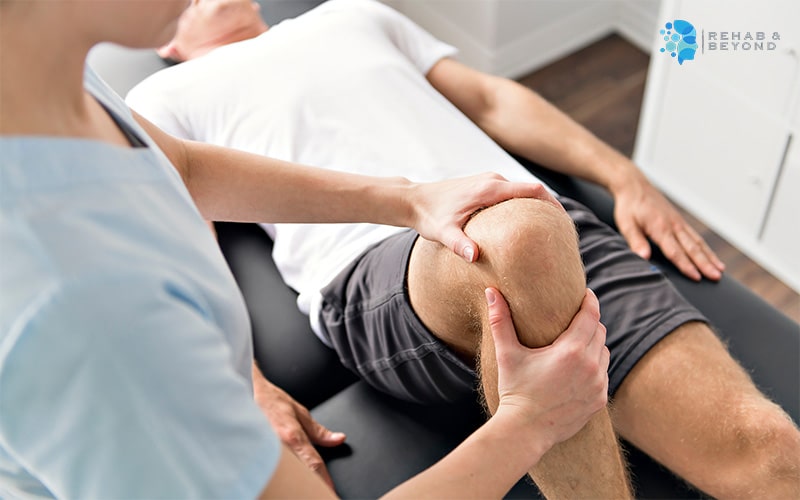
Every injury recovery journey is unique, requiring an individualised approach. Sports physiotherapy techniques are tailored to each patient’s condition, severity of injury, and athletic goals. A personalised rehabilitation plan ensures that progress is gradual and effective, reducing the likelihood of setbacks.
A well-structured sports injury recovery programme may include a combination of manual therapy, progressive strengthening exercises, mobility drills, and movement retraining. For those recovering from chronic injuries, sports therapists in Singapore may introduce load management strategies, ensuring that activity levels are increased safely over time.
With a customised approach, athletes and active individuals can return to their routines with greater confidence and reduced risk of re-injury.
Sports physiotherapy is an excellent tool to aid a patient’s recovery from overuse injuries. With proper identification and diagnosis, tailored exercise regimes, and imparting correct techniques, patients can make a quick recovery and return to their active lifestyles.
Here at Rehab & Beyond, we are dedicated to providing top-quality sports physiotherapy, including musculoskeletal physiotherapy and plantar fasciitis physiotherapy, helping individuals recover from injuries and regaining peak performance. Our experienced physiotherapists use evidence-based treatment methods to address injuries effectively.Whether you require overuse injury rehabilitation, sports performance physiotherapy, or targeted recovery programmes, our team is here to support you.
To learn more about our services, please contact us today.