A stroke can have a life-altering impact, affecting movement, speech, and daily activities. Recovery is often a long and challenging journey, requiring specialised care to help patients regain function and independence. Neurological rehabilitation plays a crucial role in this process, using targeted therapies to improve post-stroke motor recovery, restore cognitive abilities, and enhance overall quality of life.
In Singapore, where stroke is one of the leading causes of disability, access to effective neuro rehab physiotherapy is essential for patients looking to recover and regain independence. This article explores the key ways stroke rehabilitation techniques help individuals rebuild their strength, mobility, and confidence after a stroke.
Improving Motor Skills and Movement
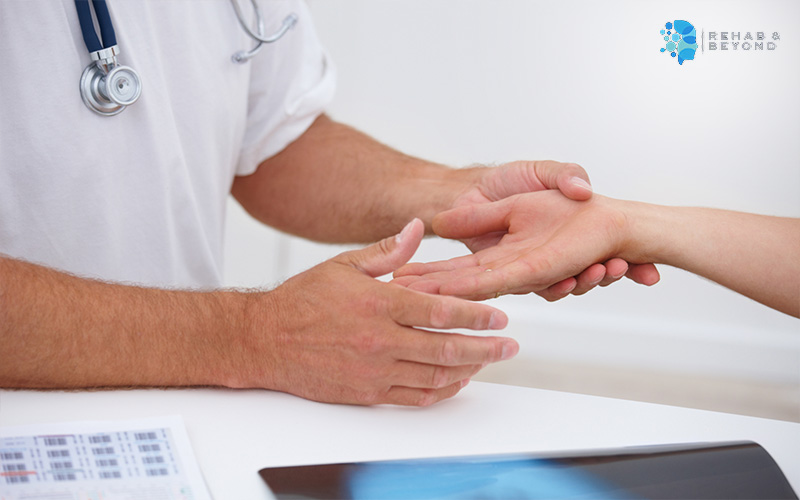
One of the most common effects of a stroke is weakness or paralysis on one side of the body, making it difficult to perform everyday movements. Neurological rehabilitation addresses these limitations through targeted exercises designed to strengthen and retrain affected muscles.
Key rehabilitation techniques include:
Passive and active exercises:
Helping patients regain movement in their arms, legs, and hands.Task-specific training:
Repeating functional movements, such as grasping objects or walking, to rebuild motor control.Electrical stimulation therapy:
Using mild electrical impulses to activate weakened muscles and improve coordination.
Through consistent therapy, stroke survivors can gradually restore movement and regain control over their physical abilities.
Enhancing Balance and Reducing Fall Risk
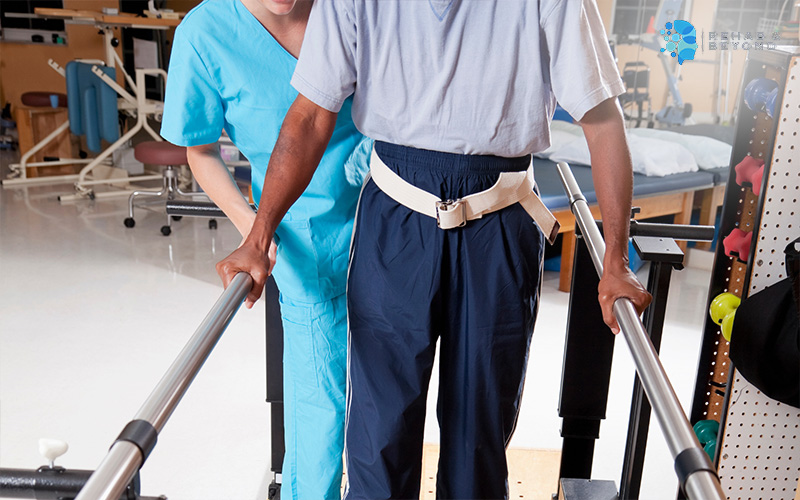
Balance issues are common after a stroke, increasing the risk of falls and injuries. Balance training for stroke survivors is a core component of rehabilitation, focusing on stability and coordination to improve mobility. The good news is that this can either be conducted at a physiotherapy clinic or through home visit physiotherapy if the patient is unable to physically travel to the clinic.
Key techniques include:
Weight-shifting exercises:
Training the body to redistribute weight and maintain stability while standing or walking.Gait training:
Helping patients relearn proper walking patterns to improve step coordination and prevent falls.Core strengthening:
Building muscle strength in the abdomen and lower back for better postural control.
By incorporating stroke rehabilitation techniques that enhance balance, patients can regain confidence in movement and reduce the fear of falling.
Boosting Cognitive and Communication Abilities
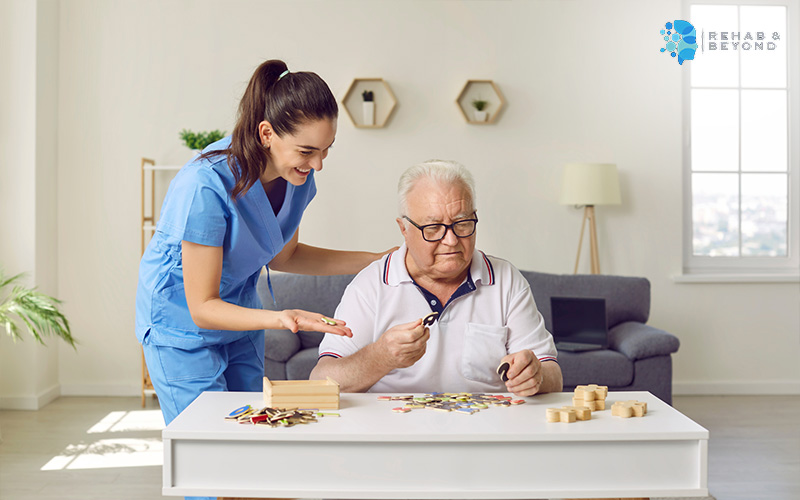
A stroke can affect cognitive functions such as memory, attention, and problem-solving, as well as language and communication skills. Cognitive rehabilitation therapy and speech therapy play a critical role in helping patients rebuild these essential functions.
Therapies may include:
Memory exercises:
Activities designed to enhance recall and cognitive processing.Speech and language therapy:
Techniques to improve pronunciation, understanding, and communication skills.Problem-solving tasks:
Exercises that enhance decision-making and logical thinking.
By working on both cognitive and speech recovery, neurological rehabilitation ensures that stroke survivors can regain their ability to interact, express themselves, and perform daily mental tasks effectively.
Restoring Daily Living Skills
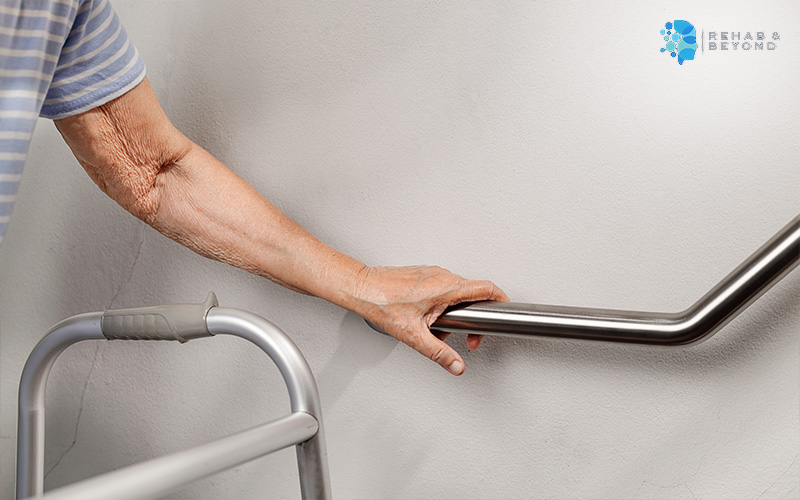
Regaining independence after a stroke involves more than just movement recovery—it also includes the ability to perform basic daily tasks. Occupational therapy after stroke focuses on retraining individuals in activities such as dressing, eating, and personal hygiene.
Common interventions include:
Adaptive techniques:
Teaching patients new ways to complete daily tasks using one side of the body if necessary.Assistive devices:
Introducing tools like modified utensils, grab bars, or dressing aids to make tasks easier.Functional training:
Practising real-life scenarios, such as preparing a meal or using public transport.
By incorporating these interventions into neurological rehabilitation, patients can regain independence and improve their confidence in managing everyday life.
Providing Emotional and Psychological Support
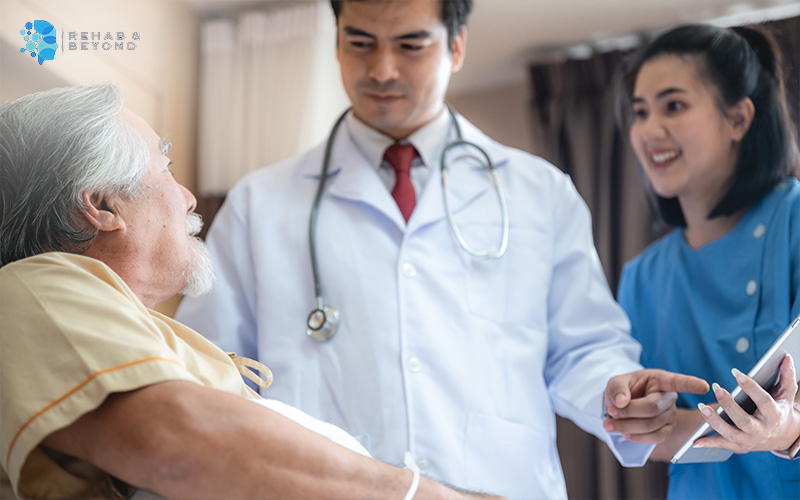
Recovering from a stroke is not just a physical challenge—it is also an emotional one. Many survivors experience frustration, anxiety, or depression due to the changes in their abilities and lifestyle. Neuro rehab physiotherapy includes psychological support to help patients cope with these emotional challenges.
Support strategies include:
Counselling and therapy:
Helping patients process emotions and adjust to their new reality.Motivational coaching:
Encouraging a positive mindset to stay committed to rehabilitation goals.Support groups:
Connecting stroke survivors with others who share similar experiences for mutual encouragement.
Providing emotional support ensures that patients remain motivated and engaged in their recovery journey.
Recovering from a stroke requires a comprehensive approach that addresses both physical and cognitive challenges. Neurological rehabilitation plays a vital role in helping patients regain movement, balance, cognitive function, and independence. With post-stroke motor recovery physiotherapy, balance training for stroke survivors, and occupational therapy after stroke, individuals can rebuild their lives and regain confidence in their abilities.
Here at Rehab & Beyond, we offer various types of physiotherapies, including neuro rehab physiotherapy. Our personalised treatment plans are designed to support stroke recovery and give our patients the best chances of regaining strength, mobility, and independence. Whether you require therapy at our physiotherapy clinic in Singapore or prefer home visit physiotherapy, our experienced team is committed to helping you regain mobility and independence.
For more information on our services, please contact us today.