
Home physiotherapy offers a convenient and personalised approach to rehabilitation, allowing patients to recover in the comfort of their own space. Whether you are undergoing surgical rehabilitation, physiotherapy for elderly patients, or even neuro rehab physiotherapy, following the right strategies can significantly enhance the effectiveness of each home physio session.
For patients who have mobility issues or other circumstances that make frequent clinic visits difficult, virtual or physio at home sessions can be an excellent solution. To help you maximise each session, here are five essential home physiotherapy tips to ensure effective progress and better long-term results.
1. Create a Dedicated, Distraction-Free Space

A successful home physio session starts with the right environment. Choose a quiet, well-lit area with enough space to move freely. This helps you focus on your physio treatment without unnecessary distractions.
If your sessions involve virtual physiotherapy techniques, ensure that your setup allows for clear video communication with your physiotherapist. Having a stable internet connection and placing your device at the right angle can help your physiotherapist observe your movements properly and provide accurate guidance.
For added comfort and safety, consider using a yoga mat or a soft, non-slip surface to perform your exercises. Removing potential obstacles from your space can also reduce the risk of injury.
2. Wear Comfortable, Appropriate Clothing
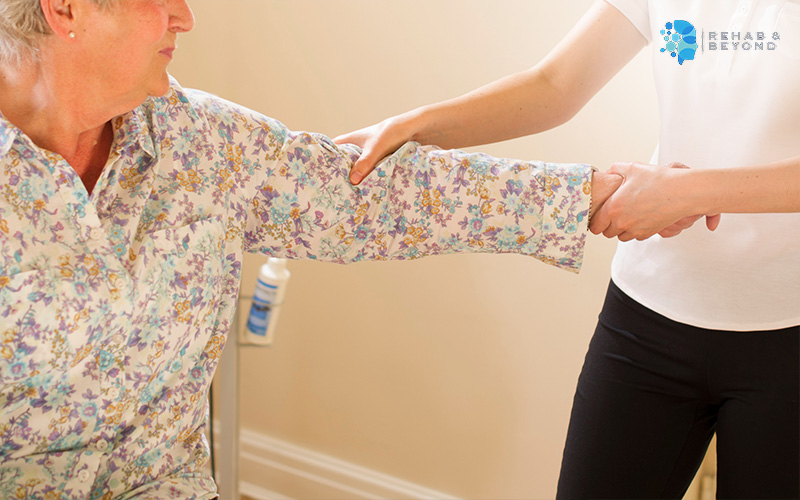
Dressing appropriately for your home physio session ensures better movement and proper assessment. Wear loose, breathable, and stretchable clothing that allows a full range of motion.
For individuals undergoing physio for athletes, sportswear or compression gear can provide additional support. Similarly, patients receiving physiotherapy for elderly care should opt for comfortable, non-restrictive clothing that does not hinder movement.
If your physiotherapist needs to assess joint movements or muscle function, wearing shorts or sleeveless tops can be helpful. The right clothing ensures ease of motion and allows your physiotherapist to monitor progress effectively.
3. Communicate Openly About Pain and Progress
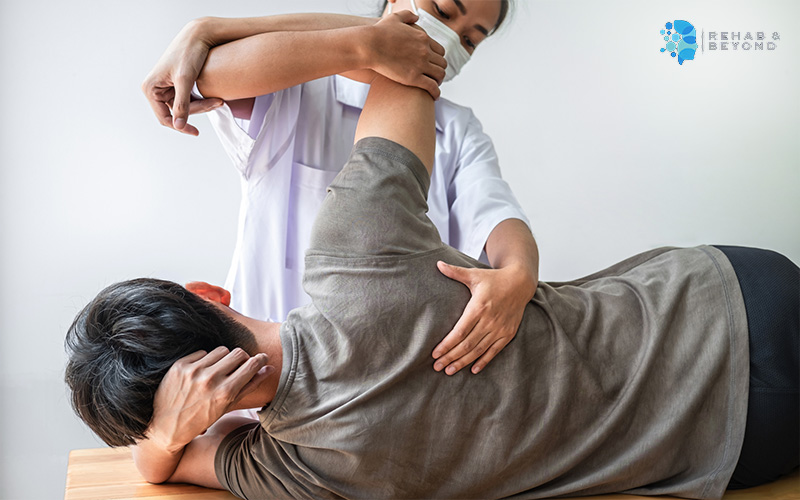
Honest communication is crucial for effective home physiotherapy. Keep your physiotherapist informed about any pain, discomfort, or progress you experience before, during, and after each session.
Patients who are recovering from surgeries or injuries and are on treatment plans such as surgical rehabilitation, for instance, may experience varying levels of discomfort. It is essential to describe the pain accurately—be it sharp, dull, or intermittent—so that your physiotherapist can adjust the exercises accordingly.
Additionally, if you find an exercise too difficult or too easy, informing your physiotherapist allows them to modify the intensity or technique to ensure you continue progressing safely.
4. Stick to Your Home Exercise Plan

One of the key factors in maximising physio at home is consistency. Physiotherapy is not limited to scheduled sessions; regular practice of prescribed exercises between sessions also plays a crucial role in recovery.
Home exercise physiotherapy programmes are tailored to your needs, helping to build strength, restore mobility, and prevent setbacks. Whether you are following a rehabilitation plan for neuro rehab physiotherapy or sports performance physio for athletes, committing to your daily exercises will reinforce the benefits of your sessions.
To stay on track, set reminders or keep a progress journal. Even small efforts, like doing stretches in the morning or after work, can significantly impact your recovery journey.
5. Prepare Basic Equipment in Advance
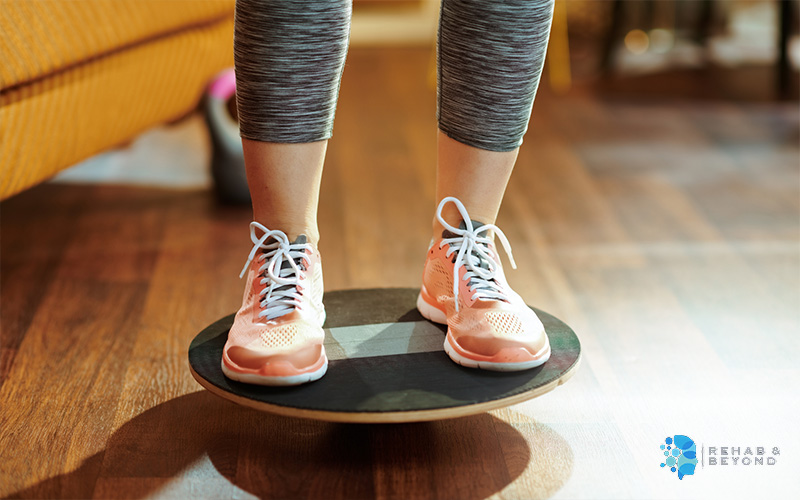
Depending on your treatment plan, certain equipment can enhance your home physio session. Before each session, have essential tools such as:
- Resistance bands – Great for strengthening muscles and improving flexibility.
- Foam rollers – Useful for muscle relaxation and reducing tightness.
- Yoga mats – Provide cushioning for floor-based exercises.
- Light dumbbells – Help with strength training and rehabilitation.
For physio for athletes, additional tools such as balance boards or ankle weights may be beneficial. On the other hand, elderly patients may use chairs or support bars for stability during their exercises.
Having these items ready before your session minimises delays and ensures a smoother, more productive experience.
A well-structured home physio session can be just as helpful as in-clinic treatment when approached correctly. By creating a suitable space, wearing comfortable clothing, communicating openly, sticking to your exercise plan, and preparing essential equipment, you can significantly enhance the benefits of home physiotherapy.
At Rehab & Beyond, we provide personalised physiotherapy services in Singapore, ensuring that each patient receives guidance tailored to their needs. Our team is committed to helping you recover efficiently and safely.
For more information on how we can support your rehabilitation journey, please contact us today.