
Undergoing surgery is often just the first step towards recovery. The real challenge begins after the procedure, as the body requires time, care, and structured rehabilitation to regain strength and function. Physiotherapy after surgery plays a crucial role in restoring mobility, reducing pain, and helping patients return to their daily activities with confidence. Whether a patient is recovering from orthopaedic surgery, joint replacement, or a sports injury, post-surgical rehabilitation helps facilitate a safe and effective healing process.
Here in Singapore, our fast-paced work environment and generally active lifestyle demands optimal mobility, not everyone has the luxury of prolonged rest after major procedures. This is why physiotherapy after surgery is essential for a smooth transition back to normal life. This article explores how post-op rehab aids recovery and highlights the key steps that support long-term well-being.
Restoring Range of Motion Gradually
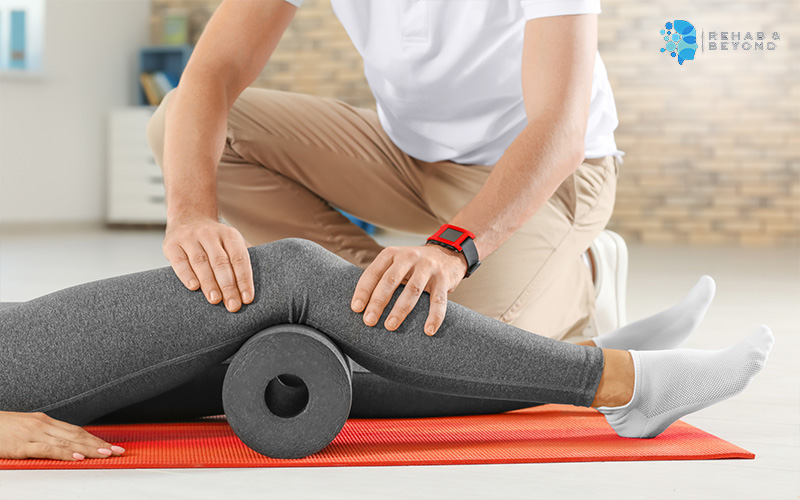
After surgery, joint and muscle stiffness can significantly limit movement. Without proper rehabilitation, this stiffness may lead to long-term mobility issues. Rehab after surgery typically begins with gentle strength recovery exercises and controlled stretching to slowly restore range of motion.
Physiotherapists introduce specific restoring mobility after surgery techniques that focus on improving flexibility without straining the healing tissues. Whether recovering from knee surgery, shoulder reconstruction, or spinal procedures, gradual mobilisation is essential in preventing complications such as joint contractures or scar tissue build-up.
Rebuilding Strength and Stability
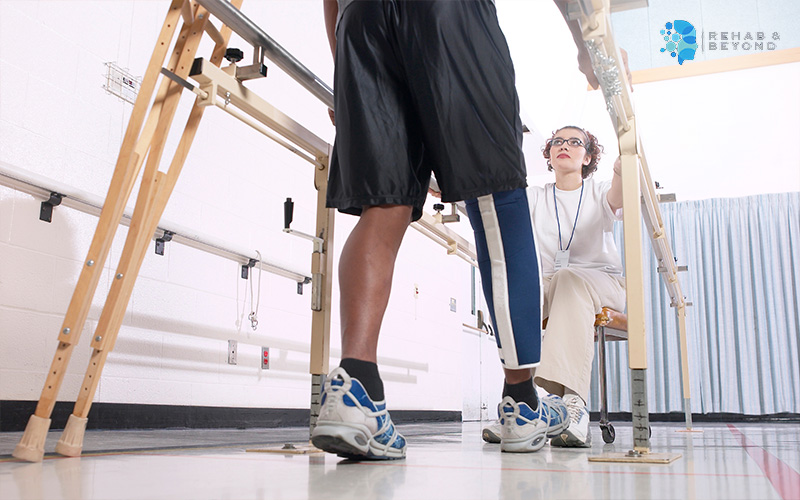
Surgery often results in muscle weakness, particularly around the operated area. This can lead to imbalances that affect posture, gait, and overall stability. This is why rehab after surgery also includes progressive strengthening exercises designed to rebuild muscle function and prevent re-injury.
For instance, after a knee or hip replacement, patients need to engage in targeted lower-body exercises to restore balance and support proper weight distribution. Similarly, post-shoulder surgery rehab focuses on strengthening the rotator cuff muscles to ensure full arm function. Physiotherapy after surgery helps patients regain confidence in their movements while reducing the risk of falls or setbacks.
Reducing Pain and Swelling
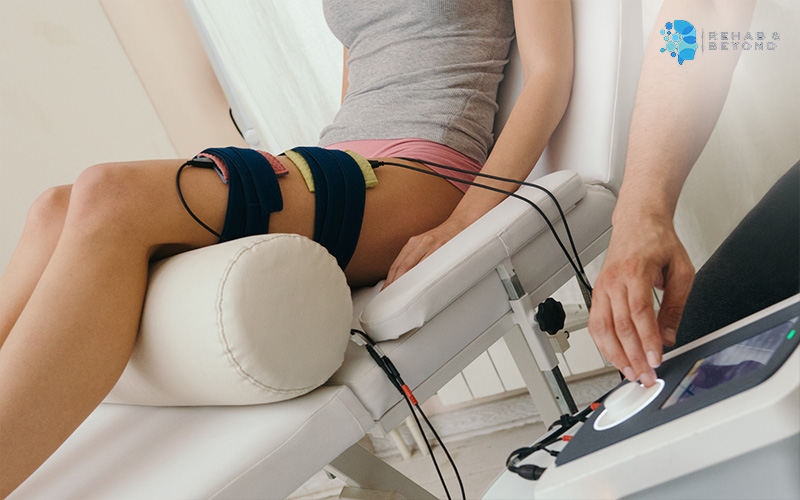
Pain and inflammation are common after surgery, but they can be effectively managed with the right rehabilitation techniques. Pain management physiotherapy includes a combination of manual therapy, therapeutic exercises, and modalities like ice/heat application, ultrasound, and electrical stimulation to ease discomfort.
In Singapore, where humidity can sometimes worsen post-surgical swelling, a personalised rehab approach ensures patients receive the right treatments to control inflammation and promote healing. Keeping pain under control allows patients to remain active in their recovery without unnecessary discomfort.
Improving Balance and Coordination
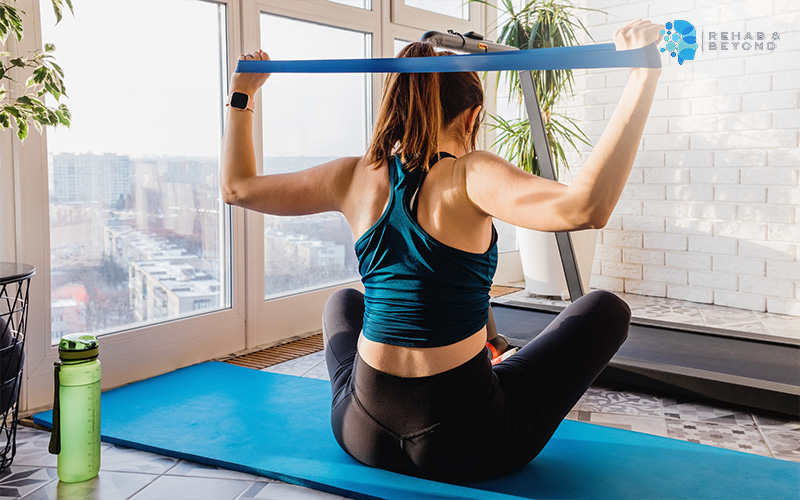
Regaining balance and coordination is especially important for those recovering from lower-body surgeries, such as knee or ankle procedures. Impaired balance increases the risk of falls, which can slow recovery or cause further injury. Physical therapy for balance involves exercises that enhance proprioception—the body’s ability to sense movement and position.
Physiotherapists use various methods such as stability training, weight-shifting exercises, and resistance work to improve coordination. These exercises are crucial for older adults undergoing rehab after surgery, as they help maintain independence and prevent complications from accidental falls.
Developing Personalised Goals for Daily Function
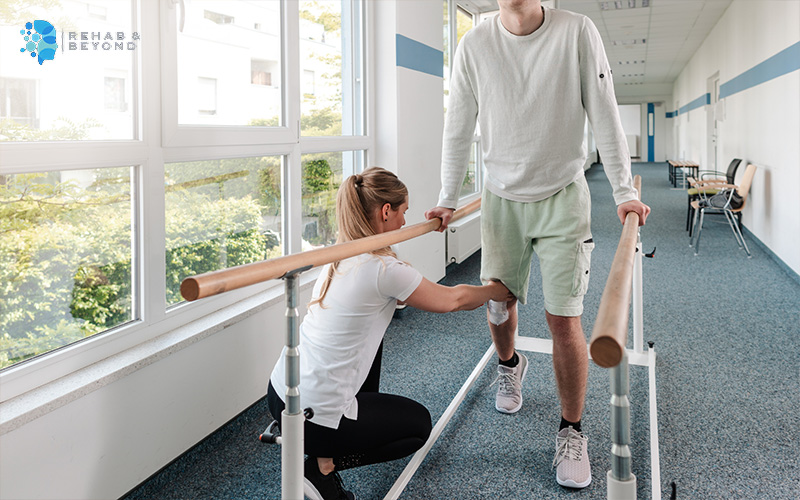
Every patient has different recovery goals, depending on their lifestyle and functional needs. Post-op rehab is not just about healing the body; it is about restoring independence.
Physiotherapists work closely with patients to develop a personalised physio treatment plan that aligns with their daily routines. Whether the goal is to be able to walk pain-free, return to sports, or simply carry out household tasks with ease, rehab sessions focus on real-life applications.
For athletes recovering from surgery, sports and rehabilitation programmes are designed to rebuild strength and endurance while preventing re-injury. Meanwhile, for seniors recovering from joint replacement or fractures, rehab centres in Singapore have the necessary facilities for specialised therapy to support long-term mobility.
Recovering from surgery requires more than just rest—it demands a structured rehabilitation plan tailored to individual needs, whether it is held at a rehab centre or at home. From restoring movement and rebuilding strength to managing pain and preventing falls, rehab after surgery is a critical part of the healing process. This can include physio at home sessions for individuals unable to travel.
At Rehab & Beyond, we are dedicated to providing post-op rehab services designed for safe, effective recovery. Our The team at our physiotherapy clinic in Singapore can advise on personalised treatment plans that cater to a wide range of post-surgical needs, ensuring optimal results for every patient. Whether you require pain management physiotherapy, physiotherapy after surgery, or other targeted physiotherapy programmes, we are here to support you every step of the way.
For more information on our services, please contact us today.