
Joint pain can significantly impact daily life, making simple activities like walking, climbing stairs, or even sitting uncomfortable. While pain relief medication may offer temporary respite, it does not address the root cause of joint pain. Joint pain physiotherapy provides a natural, long-term solution by improving mobility, reducing discomfort, and strengthening the body through targeted techniques.
As more individuals suffer from joint pain due to factors such as ageing, sports injuries, or sedentary lifestyles, seeking professional musculoskeletal physiotherapy can help manage pain effectively. Here are five ways non-medicated joint pain relief through physiotherapy can enhance movement and restore comfort.
1. Targeted Exercises for Strength and Stability
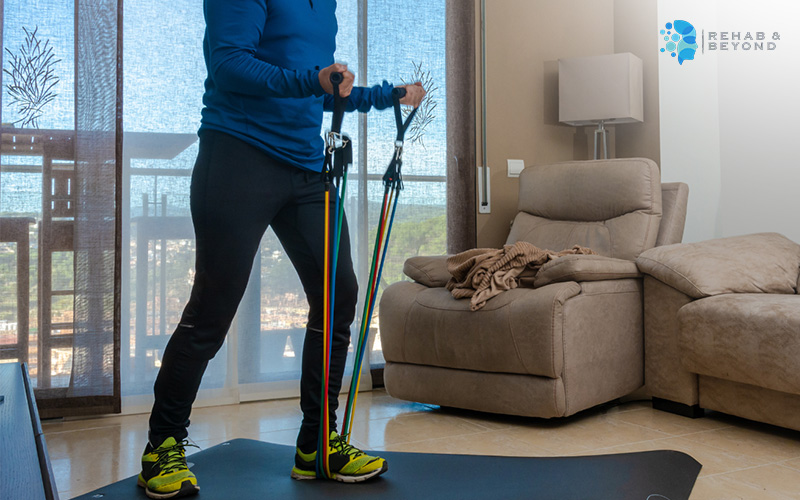
One of the most effective ways to relieve joint pain is through strengthening exercises. Weak muscles can place excess strain on joints, leading to pain and stiffness—particularly in conditions commonly treated through ankle physiotherapy. Physiotherapists design personalised joint mobility exercises that target the muscles supporting the affected joints, improving strength and reducing discomfort.
Common physiotherapy exercises for joint pain include:
Resistance training:
Strengthens muscles around joints, providing better support and reducing strain.Low-impact exercises:
Activities such as swimming or cycling improve mobility without putting pressure on the joints.Balance exercises:
Help stabilise the body, reducing the risk of falls and joint injuries.
By incorporating these exercises into daily routines, individuals can improve their overall joint function and prevent further pain.
2. Manual Therapy for Pain Relief

Manual therapy benefits those with joint pain by improving circulation, easing stiffness, and enhancing joint mobility. Physiotherapists and even sports therapists in Singapore use hands-on techniques to manipulate soft tissues and joints, reducing pain and improving flexibility.
Popular manual therapy techniques include:
Joint mobilisation:
Gentle movements to improve flexibility and reduce stiffness.Massage therapy:
Helps to relax tight muscles and boost circulation around the joint.Myofascial release:
Relieves tension in connective tissues, easing pressure on painful joints.
Manual therapy is an important part of joint pain physiotherapy as it promotes natural recovery by encouraging blood flow and reducing inflammation, making it a powerful alternative to medication.
3. Heat and Cold Therapy for Immediate Relief
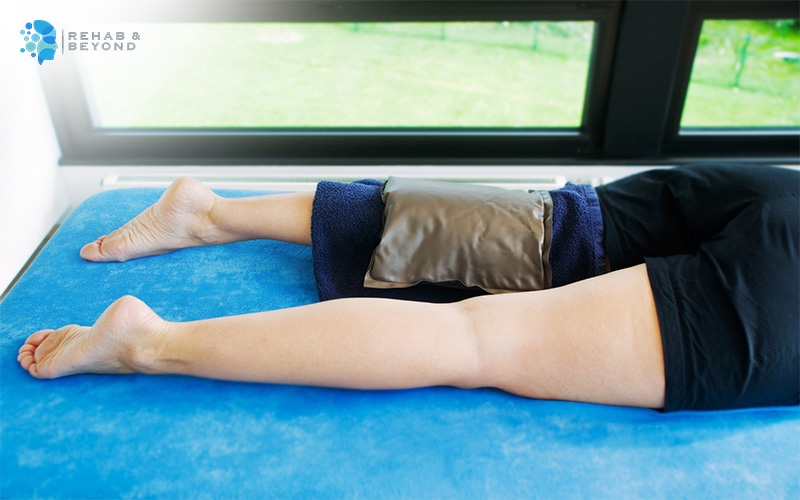
Pain management physiotherapy often incorporates heat and cold therapy to provide immediate relief from joint pain. These simple, yet effective, treatments help reduce discomfort without the need for medication.
How they work:
Heat therapy:
Using heat packs or warm compresses to relax muscles and improve blood circulation. Ideal for chronic conditions like arthritis.Cold therapy:
Applying ice packs to reduce swelling and numb sharp pain, especially after an injury.
Physiotherapists can also guide patients on how to use these techniques safely through physio at home, ensuring they maximise the benefits of joint pain physiotherapy.
4. Stretching for Flexibility

Tight muscles and stiff joints often contribute to pain and discomfort. Physiotherapy for arthritis pain and other joint-related conditions includes stretching exercises to improve flexibility and enhance joint movement.
Benefits of regular stretching include:
Reduced stiffness:
Keeping the joints flexible helps maintain a full range of motion.Improved blood circulation:
Enhances nutrient flow to the joints, promoting healing.Better posture and movement:
Reduces strain on joints by ensuring proper body alignment.
Physiotherapists customise stretching routines based on individual needs, ensuring they are both safe and effective.
5. Education and Lifestyle Modifications

Joint pain physiotherapy is not just about exercises—it also involves education on how to protect and care for joints in daily life. Small lifestyle adjustments can significantly reduce joint strain and prevent pain from worsening.
Key advice from physiotherapists includes:
Posture correction:
Ensuring proper alignment while sitting, standing, or lifting objects.Ergonomic adjustments:
Using supportive footwear, ergonomic chairs, or standing desks to reduce joint stress.Activity modifications:
Adapting movement patterns to avoid excessive joint strain.
By making these simple yet effective changes, individuals can maintain joint health and prevent future discomfort.
Joint pain does not have to limit your lifestyle. Joint pain physiotherapy provides a safe and effective way to manage pain naturally, improving strength, mobility, and overall well-being. Whether through joint mobility exercises, manual therapy benefits, or pain management physiotherapy, physiotherapy offers long-term relief without the reliance on medication.
Here at Rehab & Beyond, we provide specialised support for patients suffering from joint pain through tailored physiotherapy solutions, helping them overcome those conditions naturally. Whether you need treatment at a physiotherapy clinic near you, or the convenience of physio at home, our team is here to support your recovery.
For more information on our services, please contact us today.