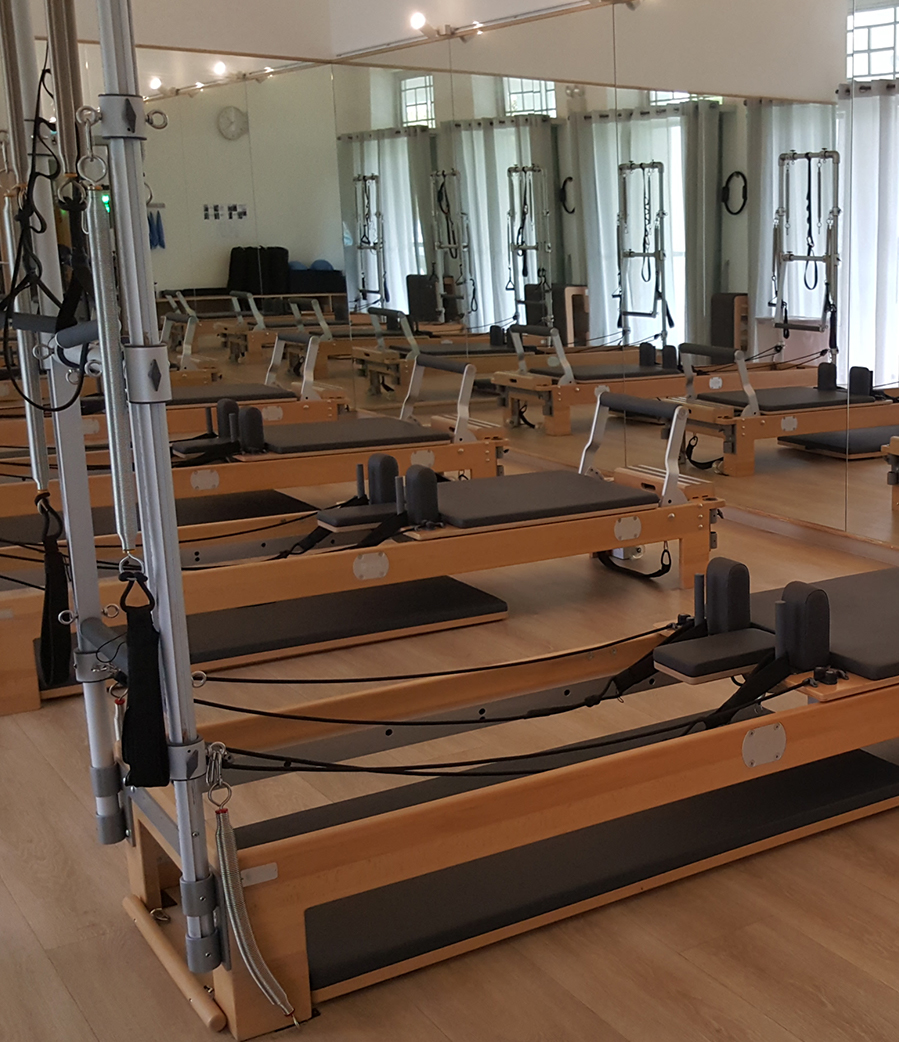
Clinical Pilates
Known popularly as a low-impact but high-power workout, Pilates is one of the fastest growing methods in the world. Millions all over the world have experienced first-hand the benefits of the approach. It strengthens and stretches the entire body, improves posture and increases core stability, amongst many other benefits. But not many know about using Pilates for rehabilitation, helping people with chronic pain and injuries recover and restore muscle imbalance in the body.
In fact, integrating Pilates into rehabilitation has been getting more widely adopted across physiotherapy clinics and hospitals all over the world. We've even expanded into it ourselves with our speciality unit, Altum Physio Pilates. Read on to find out more about this unique method of physical rehabilitation, and how you can reap its benefits.
What is Pilates, and
Why is it Good For Rehabilitation?
Pilates is a form of strength and conditioning that uses a series of intelligent exercises to stretch, strengthen and control for whole body health and commitment. A healthy body requires mobility and stability, and Pilates promotes this with a systematic approach that integrates apparatus and exercises to improve breathing, strength, flexibility, balance, coordination, rhythm and flow. These serve as the foundation of growth as the body has to internalise the exercises to ‘feel’ the essence of the work. In the journey, people who commit to this system changes their body, mind and spirit all together.
With growing evidence to support the benefits of Pilates on patient recovery, it has been gaining popularity as a physical rehabilitation method for patients with acute and chronic injuries. Studies have shown that Pilates has been effective for rehabilitation in achieving desired outcomes, especially for pain management and reduction in recurrence.
Engaging in a certified pilates teacher who is trained in the entire system gives you strength from the inside out. Patients are encouraged to be regular (at least 1 private sessions with daily homework) and move at their own pace as they work to connect the mind and the body with each movement. This enhances proprioception—spatial awareness—which in turn restores physical capabilities. As patients improve their self-awareness and take charge of their rehabilitative process, they also experience psychological recovery.
Additionally, many clients also find that they achieve other health benefits such as:
- Better joint mobility
- Improved flexibility
- Stronger core and posture

How is Clinical Pilates Different from Regular Pilates?
The goals of Clinical Pilates are different from regular Pilates. Regular Pilates focuses on general core stability, strength and endurance to increase overall physical health. Clinical Pilates is more patient-specific, with the purpose of restoring movement and ability to the injured area. This requires a proper assessment from a certified practitioner, usually a physiotherapist.
With their knowledge and expertise, Clinical Pilates instructors would be able to take a customised approach with targeted exercises to improve and address the patient's injury. Subsequently, patients who have improved can move onto regular Pilates where the intensity is increased which will allow them to experience the original work and system. Here, communication serves to build deep body awareness and intuition.
What's the Difference Between Clinical Pilates and Physiotherapy?
Conventional physiotherapy tends to focus on training individual muscles or body regions with the goal to reduce pain and restore mobility. Additionally, patients who have undergone major surgeries or experienced other life threatening incidences such as strokes or heart attacks would likely need the expertise of a physiotherapist. They are trained to treat and restore the function of a particular body region with the knowledge of the body as one whole system. Physiotherapists may also specialise in a discipline which allows them to gain further knowledge in treating specific patient conditions.
Once a patient has progressed, they can move onto Clinical Pilates which takes on a more holistic approach when it comes to the individual's condition. Patients are taught to attend to all components of their body as one, instead of focusing on individual muscle groups. For example, those with knee injuries would be prescribed movements that don't just alleviate the pain but strengthen other muscle groups such as the abdominals to hold the body up to reduce additional strains on the knee. Exercises are modified according to the individual's level and capabilities, which may be useful for those who are not able to perform regular physiotherapy exercises.
Holistically strengthening the weak areas of the body brings functionality, muscular strength and improved reflexes which helps with injury prevention in the long term.
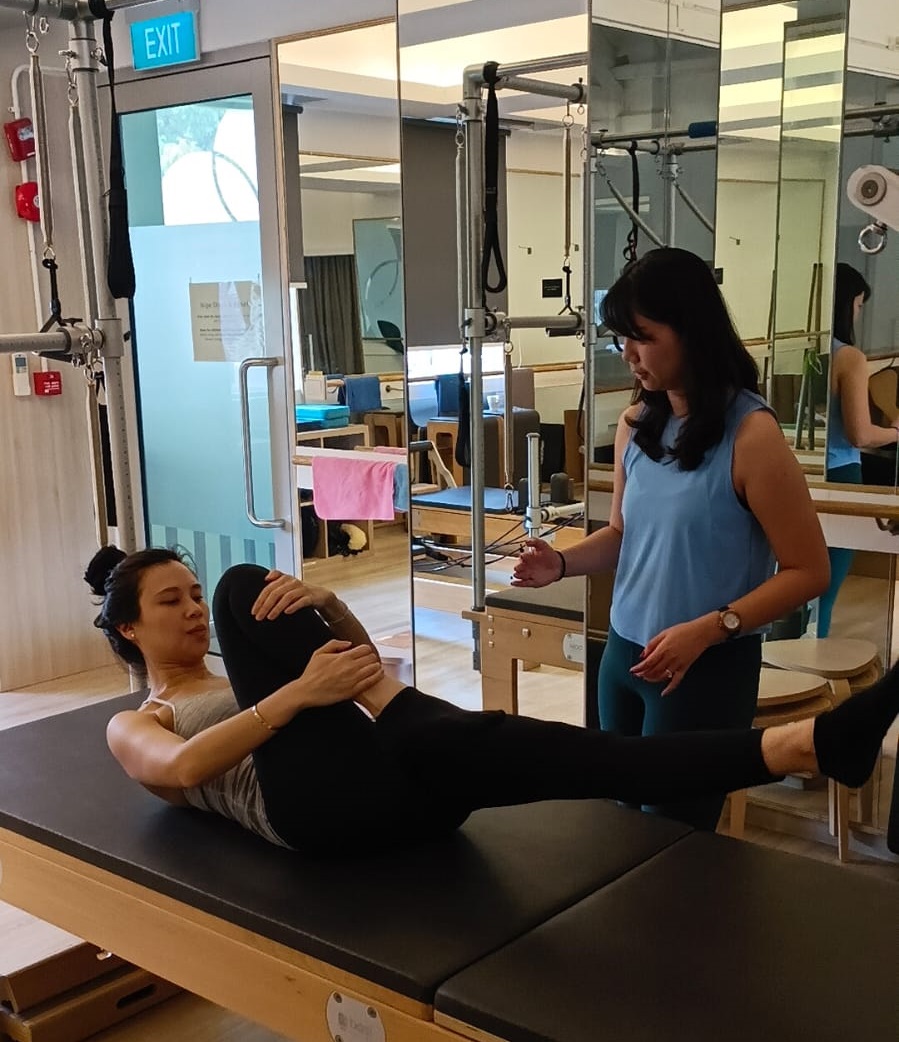

What Kind of Injuries Can Clinical Pilates Help With?
The flexibility of Clinical Pilates allows it to be used as a tool for a variety of injuries and issues.
This includes common musculoskeletal conditions such as knee pain, neck and back pain, and shoulder pain or injuries. Those suffering from postural issues may find relief as the exercises work to strengthen the muscles around your spine and core.
Aside from injury rehabilitation, Clinical Pilates has also been found to be useful for individuals suffering from neurological conditions such as stroke, Parkinson's, or Multiple Sclerosis. Those who are recovering from surgeries such as the back, hips, or shoulder may also find it beneficial for post-rehabilitative training as the exercises train muscle function and improve their range of motion.
How Can I Get Started With Clinical Pilates For Rehabilitation?
Looking to address pain due to a nagging injury or a recent surgery?
As we mentioned earlier, Pilates for rehabilitation can only be recommended by a licensed practitioner. The next step would be for you to find a professional who can perform an assessment and lead you through a guided session designed for your needs.
For more details on Clinical Pilates, check out our subsidiary unit Altum Physio Pilates, or get started by booking an appointment with us today.